
Since the UK left the EU, “GDPR compliance” has quietly split into two related but distinct obligations for UK businesses: UK GDPR (the retained, UK-specific version of the regulation, sitting alongside the Data Protection Act 2018) and, separately, EU GDPR if you offer goods or services to, or monitor, individuals in the EU. Where your infrastructure physically sits — and who can access it — is directly relevant to both, and it’s an area where vague answers from a hosting provider should be treated as a red flag rather than reassurance.
Data sovereignty: what it actually means
Data sovereignty is the principle that data is subject to the laws of the country in which it’s physically stored or processed. It’s not the same question as data residency (simply where data is stored) or data localisation (a legal requirement to store certain data within a jurisdiction) — sovereignty specifically concerns which country’s legal system, including government access powers, applies to that data. For UK organisations handling personal data, being able to state precisely which country — and ideally which specific facility — your data resides in is foundational to answering data sovereignty questions from customers, auditors and regulators.
Why hyperscale cloud makes this harder to answer
Major public cloud platforms operate UK regions, which solves the basic residency question for primary data storage. But the operational reality is more complex: backups, caching layers, content delivery networks, and some managed services can replicate or transit data through other regions as a normal part of the platform’s architecture, sometimes without this being obvious from the console. Support access, in particular, is often provided by staff who could be located anywhere the provider has support operations globally — and the parent company’s legal domicile (frequently the US, subject to laws like the CLOUD Act) can create legal access questions independent of where the data physically sits. None of this makes hyperscale cloud non-compliant by default, but it does mean the sovereignty answer is often “it’s complicated” rather than a single clear statement.
What UK-based colocation makes straightforward
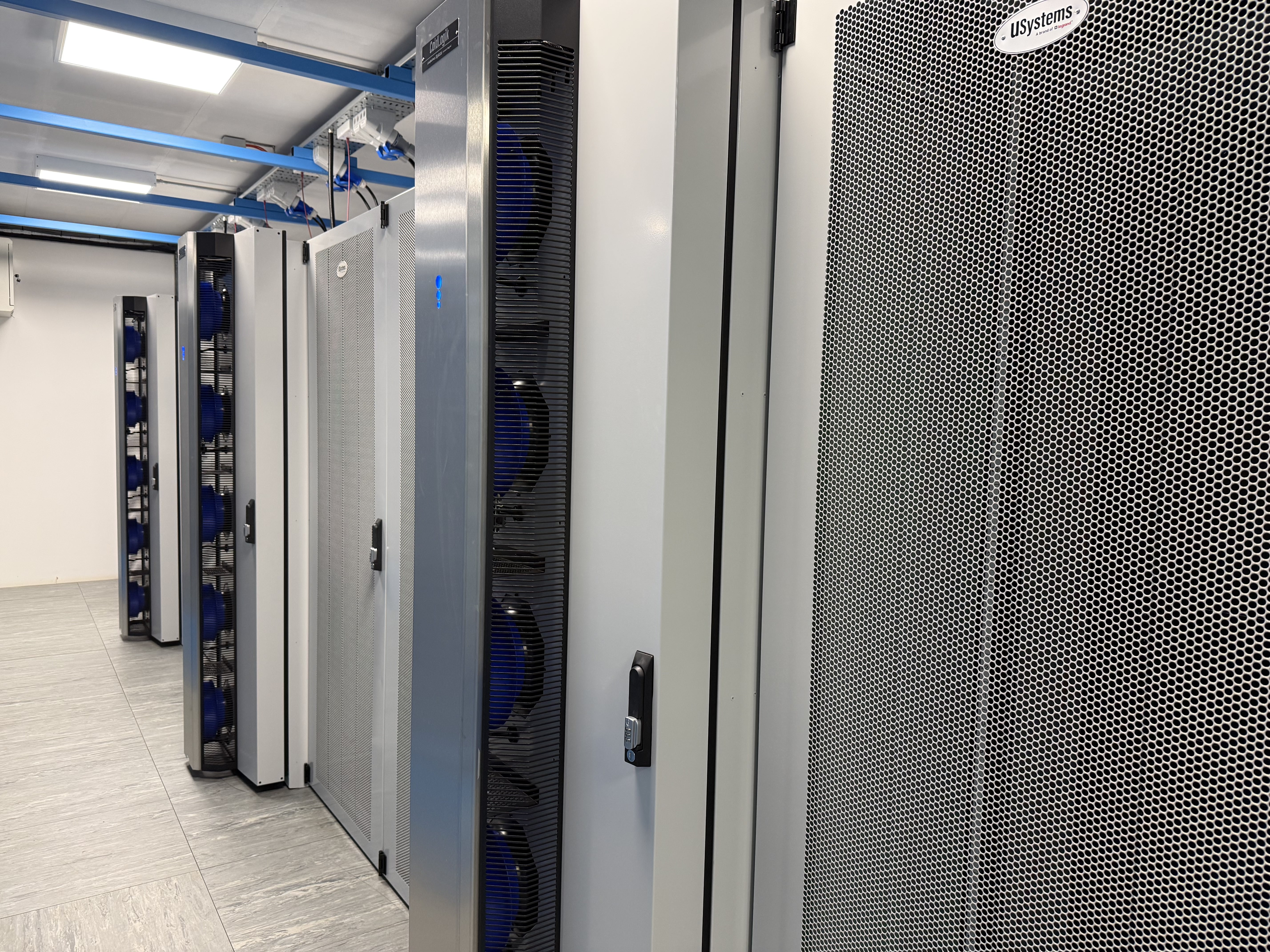
- A single, named, physical location. Your data resides in a specific UK facility you can identify by address — not a region that may span multiple physical sites or replicate data internationally as standard practice.
- A UK-domiciled provider under UK law. The company operating the facility and any support staff with access to it are subject to UK law and UK GDPR enforcement directly, without a foreign parent company’s legal jurisdiction entering the picture.
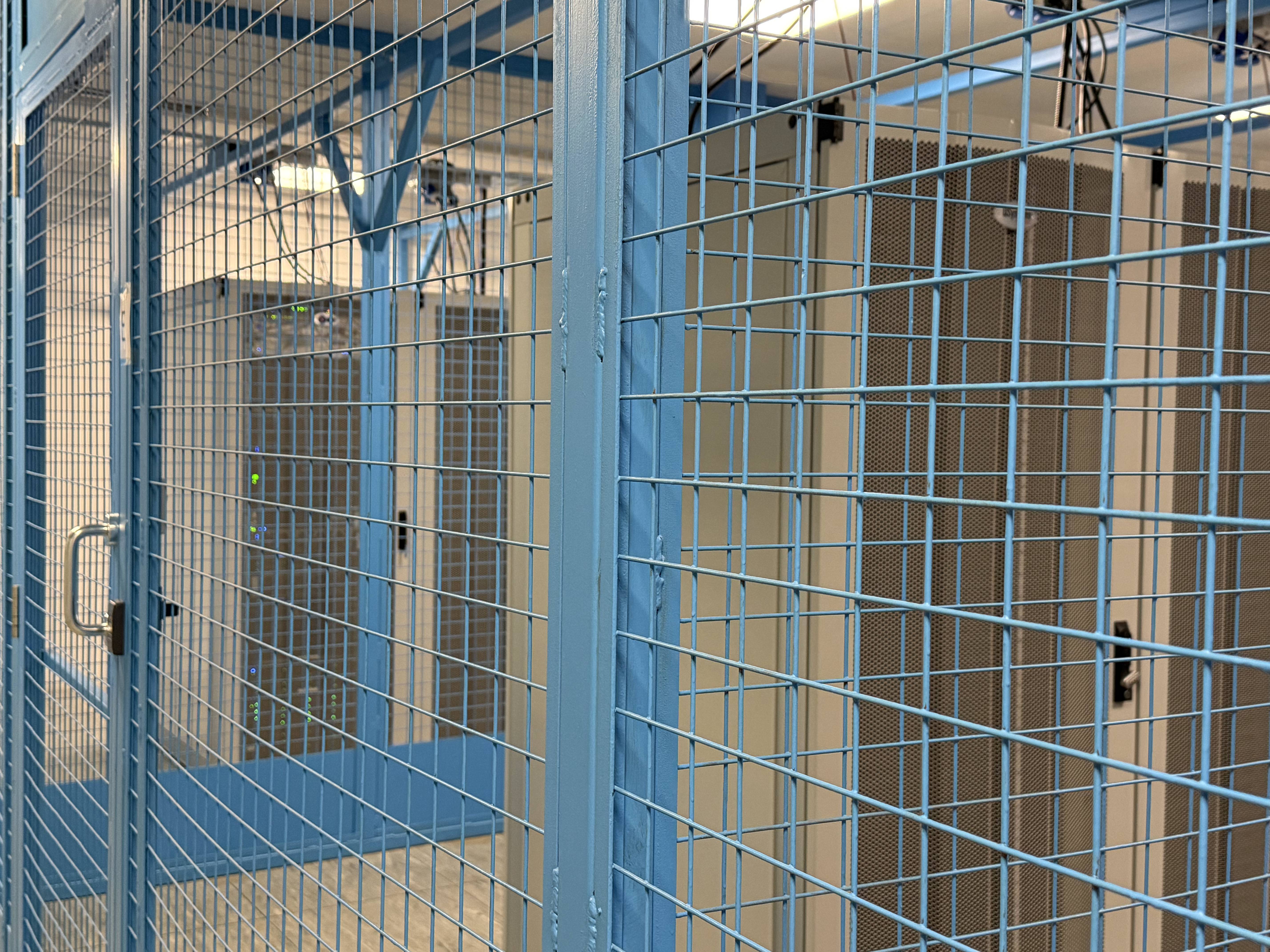
- Controllable, auditable physical access. With owned or leased hardware in colocation, you control exactly what access controls, encryption and logging are in place — rather than relying entirely on a third-party platform’s shared responsibility model and trusting their access logs.
- Straightforward documentation for DPIAs and audits. Data Protection Impact Assessments and third-party security audits are considerably simpler to complete when there’s one facility, one jurisdiction and one clear chain of physical and administrative control to document.
This doesn’t remove your obligations — it simplifies them
Using UK colocation doesn’t automatically make you UK GDPR compliant — you’re still the data controller, still responsible for lawful basis, retention policies, subject access request handling, and appropriate technical and organisational measures under Article 32. What it does is remove one entire category of complexity from that compliance picture: you’re not simultaneously trying to document international data transfer mechanisms, third-country adequacy decisions, or standard contractual clauses for your own core infrastructure, on top of everything else.
Questions to put to any infrastructure provider
- Can you name the specific facility (not just region) where our data will physically reside?
- Are backups, snapshots and any DR replicas also held within the UK, or do they transit or replicate elsewhere?
- Is the company operating the facility UK-domiciled, and is any support or maintenance access performed by UK-based staff?
- What certifications does the facility hold — ISO/IEC 27001 in particular — and can we see the certificate scope?
- Can you provide documentation suitable for our own DPIA process?
Our UK colocation is hosted entirely within our own Cambridgeshire facility, under UK ownership and UK law, with ISO/IEC 27001:2022 certification — see the detail on our security and compliance page. If data sovereignty documentation is something you need for your own DPIA or vendor due diligence, our team can provide it directly.